
-
 Puisque toute interrogation prend son élan d’un refus fondateur, d’un “non” qui inscrit plus qu’il ne rature ou efface, celle d’Essedik Jeddi, dans ses ouvrages qui font déjà œuvre, rejette la voix unique d’une pensée unique…
 -
 Lorem ipsum dolor sit amet, consectetur adipiscing elit. Duis condimentum pretium turpis, vel pulvinar diam vulputate quis. Donec porttitor volutpat rutrum. Fluro Big Pullover NOK 1795, Designers Remix - Nelly.com
 -
Pellentesque habitant morbi tristique senectus et netus et malesuada fames ac turpis egestas. Vestibulum tortor quam, feugiat vitae, ultricies eget, tempor sit amet, ante. Donec eu libero sit amet quam egestas semper. Aenean ultricies mi vitae est. Mauris placerat eleifend leo.
-
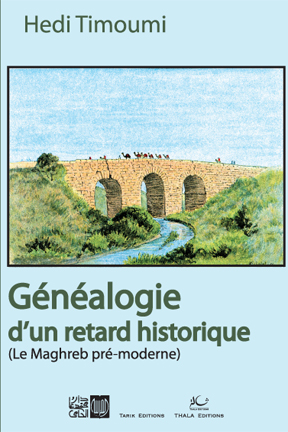 L’auteure de cet essai croit avoir démontré amplement à partir d’une analyse concrète du contenu objectif du processus historique maghrébin depuis l’avènement des Almoahades jusqu’à l’époque moderne, que le mode de production quintenier (concept forgé par l’auteur) constitue une des raisons majeures de l’arriération du Maghreb pré-moderne. Le débat est ouvert
 -
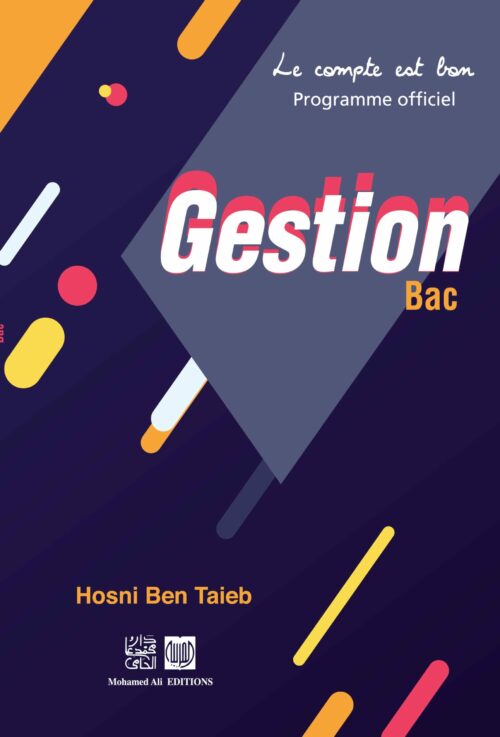 Activités de démarrage Activités d'approfondissement Exercices d'évaluation Devoirs (Contrôle & Synthèse) Corrigés très détaillés Des liens pour des séances télévisées
 -
Pellentesque habitant morbi tristique senectus et netus et malesuada fames ac turpis egestas. Vestibulum tortor quam, feugiat vitae, ultricies eget, tempor sit amet, ante. Donec eu libero sit amet quam egestas semper. Aenean ultricies mi vitae est. Mauris placerat eleifend leo.
-
Lorem ipsum dolor sit amet, consectetur adipiscing elit. Duis condimentum pretium turpis, vel pulvinar diam vulputate quis ,vel pulvinar diam vulputate quis. Donec porttitor volutpat rutrum. Harissa O-Neck Sweat.
-
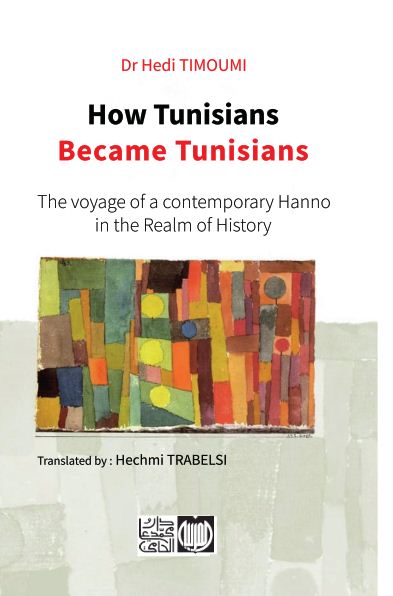
“Colours of Tunisia possess me. Colour will possess me always, I know it. That is the meaning of this happy hour: colour and I are one. I am a painter.”
Paul Klee after his visit to Tunisia in 1914
With the emergence of crises in general, the issue of identity and minorities in the Arab countries has become more and more an object of contention. It has reached its climax in various Arab countries, in particular in those which have been swept away by the “revolution” winds.
With the advent of modernity, the identity of the Tunisian people has turned, as of the 1830s, into a polemical issue between, on the one hand, a group which believes in the “Oriental” spirit and origins of the country, opposing all that is Western, claiming that all that preceded the introduction of Islam is akin to ignorance and, on the other hand, another group claiming that Tunisia has a far more ancient history, that Islam and the Orient are but a segment of its identity and that Tunisian personality is the result of accumulations built over a very long historical depth.
The January 14, 2011 revolution has deepened the polemics around the issue, though the essential motto it raised was totally unrelated to identity: “bread, freedom, national dignity”.
In this book, Hedi Timoumi tries to examine the various facets of Tunisian personality through a different methodology, starting from the present time, excavating the depths of history, in search of the accumulations that led to the attainment of its present-day characteristics. He suggests new interpretations, likely to account for the eminence and uniqueness of Tunisian identity, that collective mentality which, as some thinkers believe, may help us explain why “revolution” has sparked off from Tunisia.
-
Indigo Blue Tee Lee Jeans - NELLY.COM. Marfa authentic High Life veniam. Tumblr post-ironic typewriter, sriracha tote bag kogi you. Direct trade Banksy Carles pop-up. Marfa authentic High Life veniam.
-
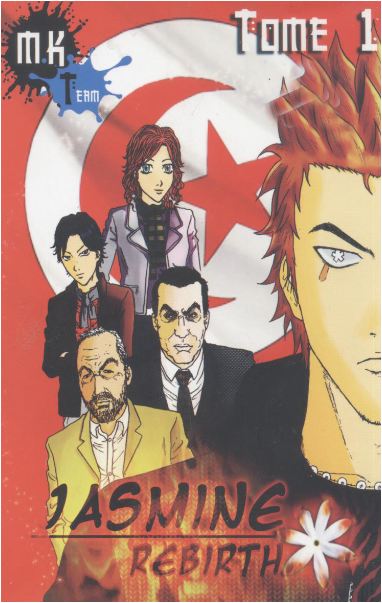 Edition Med Ali présente la première collection de Manga Tunisien : Yass – Manga. Avec des jeunes talents tunisiens du Manga, Med Ali Editions œuvre à la diversification des genres de lecture pour jeunes. Yass Manga est dédié aux jeunes fans de Manga. Expression artistique de la B.D japonaise.
 -
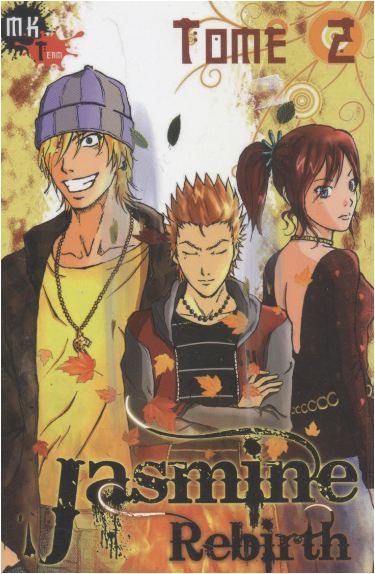 Edition Med Ali présente la première collection de Manga Tunisien : Yass – Manga. Avec des jeunes talents tunisiens du Manga, Med Ali Editions œuvre à la diversification des genres de lecture pour jeunes. Yass Manga est dédié aux jeunes fans de Manga. Expression artistique de la B.D japonaise.
 -
Lorem ipsum dolor sit amet, consectetur adipiscing elit. Vestibulum iaculis massa nec velit commodo lobortis. Quisque diam lacus, tincidunt vitae eros porta, sagittis rhoncus est. Quisque sed justo a erat lobortis gravida.
الكل
478
📖 أدب: رواية و شعر 102
📂 دراسات ادبية 60
📂 غير مصنف 59
⚖️ سياسة 56
🏛️ تاريخ وجغرافيا 39
🕌 حضارة و دين 26
🧠 فلسفة / علم إجتماع / تربية 22
🌱 التنمية الذاتية 22
🧒 أطفال وشباب 21
🎨 فنون 5
📂 قانون 3
📚 لغة 2
📂 معاجم 2
📂 كتب موازية 62
📂 دار التنوير 1