-
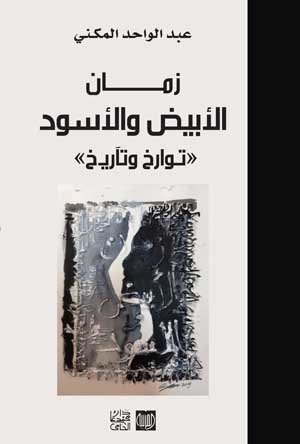
يفتح كتاب الدكتور عبد الواحد المكني شهية المؤرخين العرب للكتابة عن الذات أو "الإيغو-تاريخ" كما هو متداول لدى المؤرخين الغربيين. كتابٌ يجم بينالتجربة الاجتماعية والتجربة المعرفية، بين العامِّية والفصحى، بين الصياغة الأدبية والصنعة الأكاديمية.. كتابٌ يذكِّر بأن التاريخ في المحصلة مادة أدبية مرتبطة بالكتابة أولا وقبل كل شيء، مهما كانت الجهود الإسطوغرافية التي جعلت منه علما.. " محمد حبيدة أستاذ التاريخ الاجتماعي جامعة ابن طفيل القنيطرة المغرب" كيف ينتقل "المؤرّخ " من التّاريخ الأكاديميّ، ومن البحث التّاريخيّ في الوثائق المعتادة، إلى "التّوارخ"، أي إلى الذّاكرة الشّعبيّة الشّفويّة، يربطها بالتّاريخ وصدماته وكدماته؟ كيف يخاطب المؤرّخ-الكاتب "ابن البلد وابن الاختصاص والقارئ العاديّ" معا؟ مغامرة شيّقة وممتعة هو "الأبيض والأسود"، تثري التّاريخ والذّاكرة وتساهم في حفظ ما اعتبر "تراثا لا مادّيا"، لأنه عرضة إلى التّلف والفوات أكثر من غيره من الموروثات. رجاء بن سلامة مديرة دار الكتب الوطنية وأستاذة جامعية حاول عبد الواحد المكني أن يعود بالتاريخ إلى الفعل الأدبي وعمل على استرجاع ما فقده التاريخ عندما تخلى عن "الحكاية" و"السرد" و"تْوارخْ" كما نقول في تونس. فسرده في صيغة مشوّقة متقاطعة طريفة، سردًا حرص فيه على احترام قواعد التاريخ الأساسية. فهل هو بذلك قد تخلى في طرحه عن صفة المؤرخ أم هو يكتب سردًا إبداعيًّا يغوص به في أعماق تاريخ مكان عايَشَه وزمان عَاشَه وسمع عنه من أشخاص مثل: خليفة الأديب وعلي الزربوط وحمزة والبشير ...وغيرهم ممن اختزلوا التاريخ وصنعوا منه خيالًا ومتخيّلًا؟ -
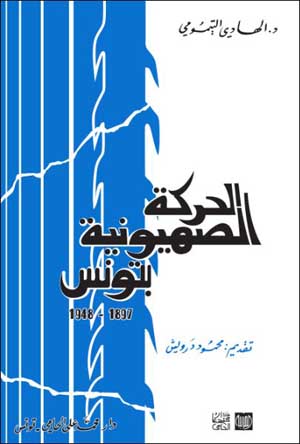
إن هذا الكتاب الذي ننشره للمرة الرابعة ، وبعد ستة و ثلاثين سنة من طبعته الأولى التي حجزت. يندرج ضمن تيار بحثي فلسطيني و عربي يتعلق بالصهيونية . وقد بدا هذا التيار منذ النصف الثاني من ستينات القرن الماضي و كان من بين رواده أسعد عبد الرحمان ، صبري جريس ، ايميل توما و وليد الخالدي . أن تأخر القناعة بأهمية معرفة الفلسطينيين و العرب مواطن قوة العدو الصهيوني و مواطن ضعفه هو بمثابة "المرض" المرض في مجال البحث الذي يصيب بعض الشعوب وهو مرض سماه البعض ب"عقدة الرومان" عوارضه النرجسية و التعالي عن معرفة العدو لأنه " لا يستحق ذلك". من خلال بحث موثق حول الصهيونية بتونس يقدم الدكتور التيمومي فهما أدقا للصهيونية و يقنعنا كيف استغلت الصهيونية جهلنا لتحويل بعض اليهود في تونس ، مثلا، من سكان أصليين إلى أعداء الإنسانية من خلال تأسيس دولة دينية على أرض فلسطين. -
إن الخطاب العائلي السائد في مدينة صفاقس حول أصل العائلات و فصلها له جذوره و مشروعيته التاريخية و حاضنته الثقافية في مدينة كانت تعج بالمزارات و المقامات و الأولياء و المساجد و الكتاتيب في مدينة كان لها أسطولها التجاري و القرصني و الحربي ففي صفاقس لا يوجد "صراع" بين البلدي و غير البلدي كما هو الحال في مدينة تونس بل هاك "فرق" بين الصفاقسي الأصيل غير الأصيل و البلداجي و الغوباجي ، و حاولنا تتبع هذا "الفارق" من خلال الرواية و مقارعته بالمصادر فتبين لنا أن هذا الخطاب ليس اعتباطيا بل له مبرراته و مستنداته في مدينة تضخم عدد سكانه عشر مرات في نصف قرن (من 1870حتى 1930) فكان من الضروري أن يستحضر هذا الخطاب لمزيد "التصفية" الاجتماعية كما يقع في كل المجتمعات الحضرية في العالم إن مهمة المؤرخ الأساسية اليوم ليست التبرير بل التفسير و ليست التفصيل بل التحليل و ليست الحكم بل الفهم . -
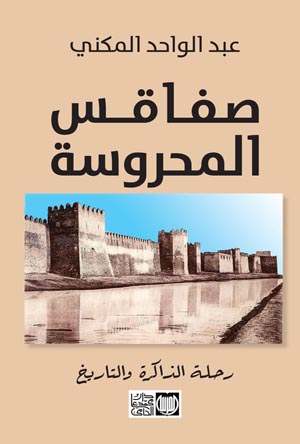
صفاقس المحروسة بسورها التاريخي الشاهق البديع ولكن أيضا بأوليائها وصلحائها ومشاهيرها ورموزها الذين نحتوا تاريخها الثقافي والديني والعلمي والسياسي. في هذا الكتاب تختلط الذكرى بالذاكرة وببقايا الصور التي ظلّت منحوتة في المخيال الجماعي وشهادة على المكان والزمان والانسان في محيط حاضرة صفاقس مدينة وأبراجا وجنانا وظهيرا، ولكن يحضر أولا وقبل كل شيء القلم التاريخي والانتروبولوجي بصرامته ودقّته حينا وبمنهجه التبسيطي والترغيبي أحيانا ليضفى مسحة علمية على تاريخ مدينة صفاقس وجهتها في محاولة للرفع من مكانة التاريخ المحلّي دون السقوط في محلية التاريخ. -
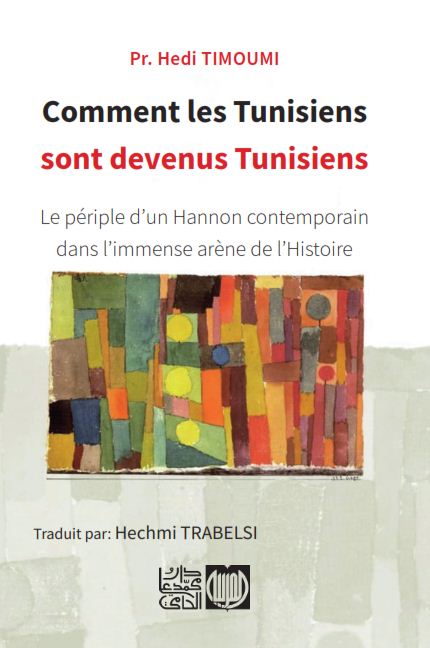
« La couleur me possède, je n’ai plus besoin de la poursuivre. Elle me tient pour toujours, je le sais. Voilà le sens de cette heure rencontre, moi et la couleur ne faisons plus qu’un. Je suis peintre”.
Paul Klee, à l’issue de sa visite en Tunisie en 1914
Avec l’émergence des crises en général, la question de l’identité et des minorités dans les pays arabes est devenue de plus en plus sujet à controverses. Elle a atteint son apogée dans plusieurs pays arabes, en particulier dans ceux qui ont été emportés par les vents de la « révolution ».
Avec l’avènement de la modernité, l’identité du peuple tunisien s’est transformée, à partir des années 1930, en une question polémique entre, d’une part, un groupe qui croit en l‘esprit et aux origines « orientaux » du pays, rejetant tout ces qui est occidental, affirmant que tout ce qui a précédé l’introduction de l’islam est synonyme d’ignorance, et, d’autre part, un second groupe qui déclare que la Tunisie a une histoire beaucoup plus ancienne, que l’islam et l’Orient ne sont qu’une partie de son identité et que la personnalité tunisienne est la résultante d’accumulations construites au fil d’une longue profondeur historique.
La révolution du 14 janvier 2011 a approfondi la polémique autour de cette question, bien que le mot d’ordre essentiel « pain, liberté et dignité nationale » n’ait aucun lien avec la question de l’identité.
Dans ce livre, Hedi Timoumi essaie d’analyser les différentes facettes de la personnalité tunisienne, à travers une méthodologie différente, à partir du présent, fouillant dans les profondeurs de l’histoire, à la recherche d’accumulations qui ont résulté sur les caractéristiques actuelles. Il propose de nouvelles interprétations, à même d’expliquer l’éminence et le caractère unique de l’identité tunisienne, cette mentalité collective qui, comme le croient certains penseurs, pourrait expliquer la raison pour laquelle la « révolution » avait démarré en Tunisie.
-
Shaping Public Opinion captures the essence of the debates that stemmed from the First International Symposium on Media and Cultural Studies. The volume claims that the notion of public opinion is elusive an fuzzy, necessitating certain farmes, idéological and political ones in particular, for a better grasp of its nature and scope. Besides, this notion has long constituted the concern of scholars from different horizons, probably starting with Plato, Aristotle, and later Hobbs and Jean Jacques Rousseau, who conceived of public opinion as people’s long standing social practices and behavioural traditions. By modern standards, the notion has acquired new meanings all of which are as innovative and avant – garde as puzzling and baffling. -
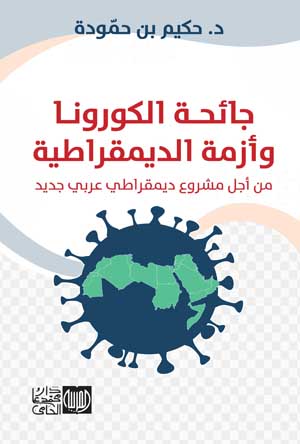
يواجه العالم اليوم أكبر التحديات الشاملة منذ الحرب العالمية الثانية... فنحن مع جائحة كرونا نعيش اليوم وغدا أزمة صحية واجتماعية وسياسية واقتصادية، أزمة وضعت الثالوث المقدس (الحداثة / الديمقراطية / الرأسمالية) الذي انبنى عليه المجتمع الحديث وصاغته فلسفة الأنوار، موضع تساؤلات عميقة. فهل أن هذه الجائحة ستدفعنا إلى إعادة النظر، ليس فقط بطريقة العيش والنظام الصحي والاجتماعي والاقتصادي المحلّي والدولي، بل إلى التفكير في الفلسفة والأسس التي هيمنت في قرون الحداثة وما بعد الحداثة الماضية؟ وهل نحن مع هذه الجائحة قادرين على طرح الأسئلة الحقيقية التي تمهّد للإنسانية الخروج من وهم الفردانية بديلا عن المشترك الجمعي؟ لعلّ الأمر يحتاج إلى قطيعة ابستيمولوجية مثل تلك التي عرفتها الإنسانية في القرن الثامن عشر ! يحاول الدكتور حكيم بن حمودة في فصول هذا الكتاب الثمانية تحليل الأزمة وأبعادها، مقترحا إجابات وحلولا، منتهيا- بصورة خاصة- إلى أهميّة الايمان بمشروع ديمقراطي عربي جديد. -
“Colours of Tunisia possess me. Colour will possess me always, I know it. That is the meaning of this happy hour: colour and I are one. I am a painter.”
Paul Klee after his visit to Tunisia in 1914
With the emergence of crises in general, the issue of identity and minorities in the Arab countries has become more and more an object of contention. It has reached its climax in various Arab countries, in particular in those which have been swept away by the “revolution” winds.
With the advent of modernity, the identity of the Tunisian people has turned, as of the 1830s, into a polemical issue between, on the one hand, a group which believes in the “Oriental” spirit and origins of the country, opposing all that is Western, claiming that all that preceded the introduction of Islam is akin to ignorance and, on the other hand, another group claiming that Tunisia has a far more ancient history, that Islam and the Orient are but a segment of its identity and that Tunisian personality is the result of accumulations built over a very long historical depth.
The January 14, 2011 revolution has deepened the polemics around the issue, though the essential motto it raised was totally unrelated to identity: “bread, freedom, national dignity”.
In this book, Hedi Timoumi tries to examine the various facets of Tunisian personality through a different methodology, starting from the present time, excavating the depths of history, in search of the accumulations that led to the attainment of its present-day characteristics. He suggests new interpretations, likely to account for the eminence and uniqueness of Tunisian identity, that collective mentality which, as some thinkers believe, may help us explain why “revolution” has sparked off from Tunisia.